The Role of Audio in Modern Building Safety and Security Systems
Modern building safety and security systems continue to evolve, but the role of audio within them is not new. Audible signaling has been a foundational part of alarm and communication systems for over a century, from early centralized fire alarm panels to building-wide intercom systems introduced in the late 19th and early 20th centuries.
What has changed is not the importance of audio, but how it is implemented. Advances in digital electronics, connectivity, and system integration have expanded what audio can do and how reliably it can perform within complex building environments.
Today, audio supports user interaction, system communication, recording, and event detection. For engineers, this reinforces an important point. Audio should be treated as a system-level design consideration, not just a component selection exercise.
How Audio Functions in Modern Building Systems
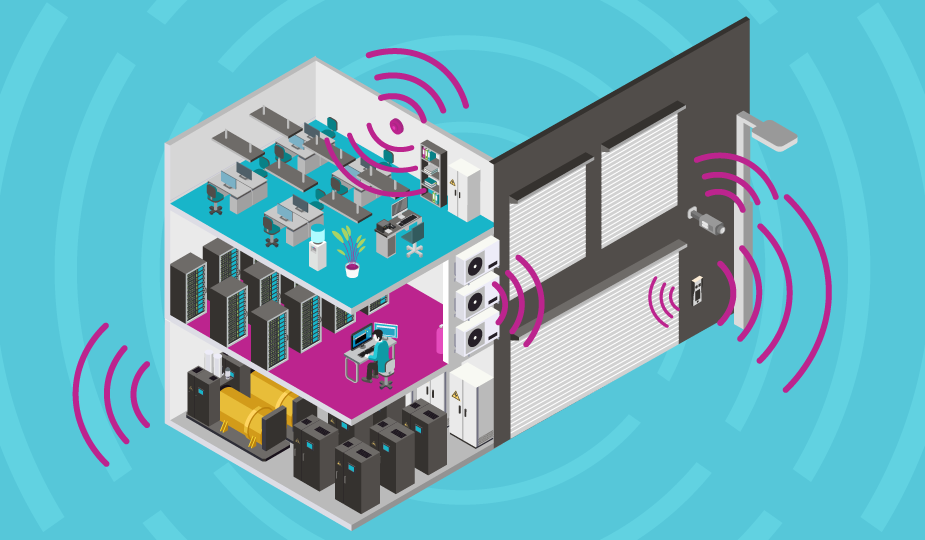
Audio supports multiple functions across building safety and security systems. While the specific requirements vary by application, the underlying goal is consistent. Audio must be clear, reliable, and appropriate for the environment.
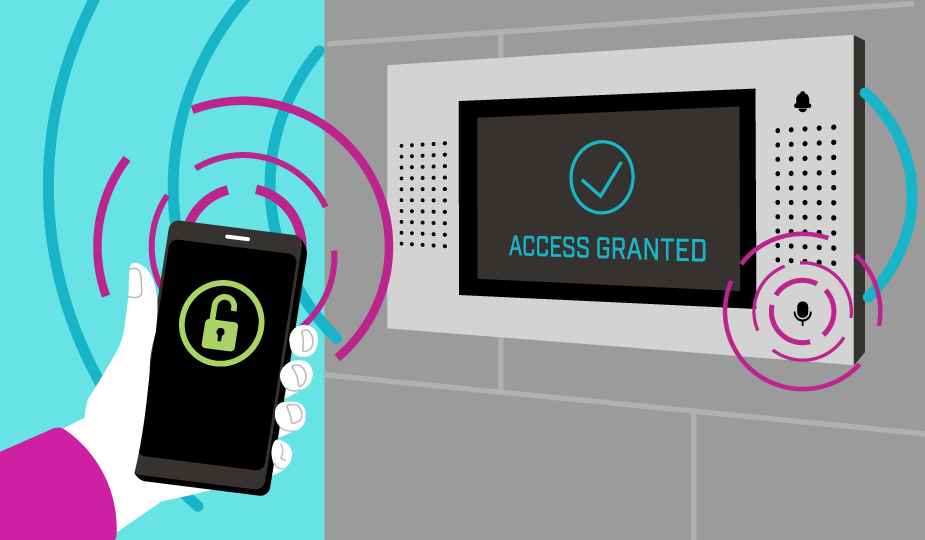
In access control systems, audio provides immediate feedback to users. This includes confirmation tones for access granted or denied, as well as voice communication through intercom-enabled entry points.
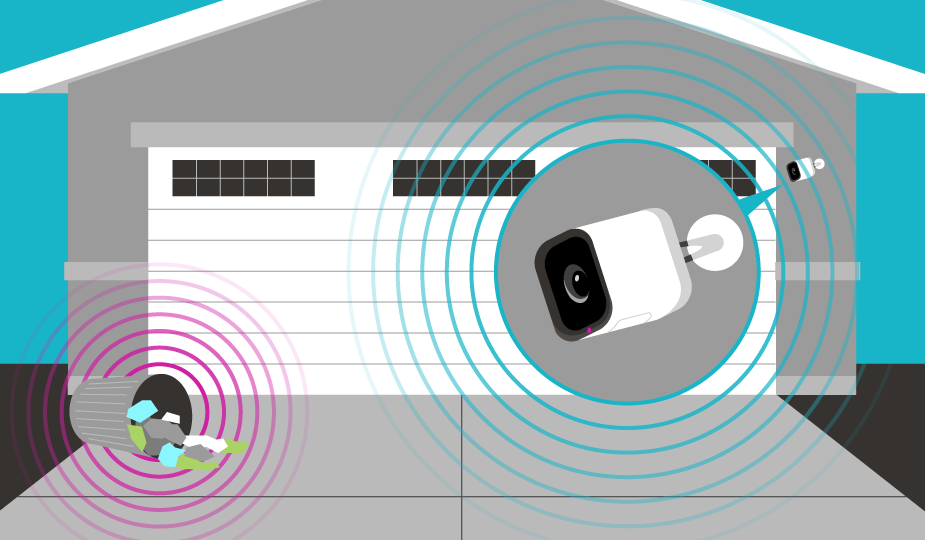
In video surveillance systems, audio is used not only for live communication and deterrence, but also for recording and playback. Audio recordings can provide additional context for incidents and are often integrated alongside video streams for review and analysis.
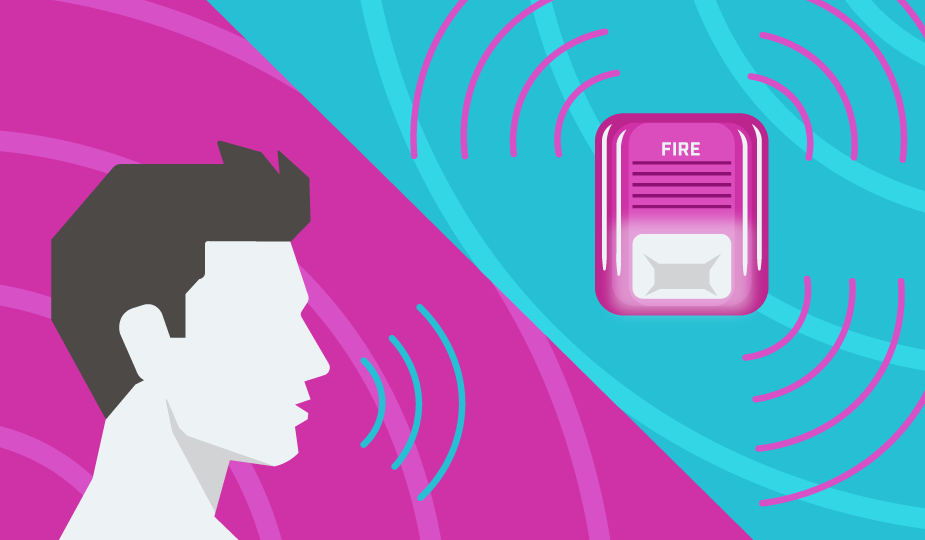
In fire and life safety systems, audio becomes mission critical. It is responsible for delivering alarms and voice evacuation instructions where intelligibility and reliability directly impact occupant safety.
Each of these applications place different demands on audio performance. These differences are why audio design must be approached at the system level rather than as a one-size-fits-all solution. Each of these applications can be explored in more detail in our following blogs:
- Audio in Access Control Systems: From Simple Feedback to Intelligent Entry Interfaces
- Beyond Video: The Growing Role of Audio in Intelligent Surveillance Systems
- Audio Design for Fire and Life Safety Systems: Intelligibility, Compliance, and Reliability
Audio Output Design Fundamentals
Choosing the Right Audio Device
One of the first design decisions is selecting the appropriate audio output device. The most common options include piezo buzzers, magnetic buzzers, and speakers.
Both piezo and magnetic buzzers are generally used for narrowband frequency output, making them appropriate for alarms and status indications rather than voice reproduction.
- Piezo buzzers are highly efficient and well suited for low-power applications where a clear, single or multi-tone frequency signal is sufficient.
- Magnetic buzzers are less efficient than piezo devices, but they can operate at lower voltages and often deliver strong sound output in more compact designs. This makes them useful in space-constrained applications where driving voltage is limited.
Speakers support a wideband frequency response, which allows for voice playback and more complex audio signals. This makes them necessary for intercom systems, voice evacuation systems, and advanced surveillance applications. The tradeoff is increased power consumption and more complex system requirements, including amplification and signal processing.
Rather than viewing these as competing options, it is more accurate to see them as tools suited to different roles. The correct choice depends on whether the application requires simple signaling or intelligible communication. Same Sky’s portfolio of buzzers and speakers supports both approaches, giving designers flexibility to balance acoustic performance with power, space, and system complexity.
Understanding Sound Pressure Level and Coverage
Sound pressure level, or SPL, determines how audible a signal will be in a given environment.
Indoor applications such as access control readers typically operate in controlled environments with moderate background noise. Outdoor or industrial environments introduce much higher ambient noise levels and require greater output. Fire and life safety systems have the strictest requirements. Audio must remain audible and intelligible during emergency conditions when noise levels can increase significantly.
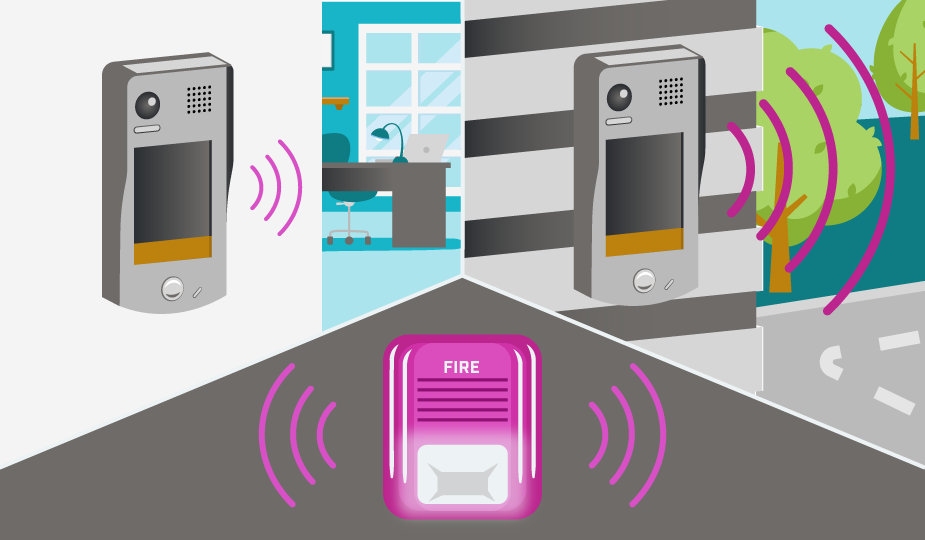
Placement also plays a critical role in achieving effective coverage. Speaker orientation, mounting location, and grille design all influence how sound propagates through a space. Poor placement can result in uneven coverage, dead zones, or excessive reflections that reduce intelligibility. On the other hand, enclosure design primarily affects how the speaker performs internally, such as resonance and frequency response.
Effective design ultimately requires looking beyond SPL alone and considering how the system will perform in real-world conditions. Our basics of SPL and decibels blog goes into further detail on choosing the right level for your audio scenario.
Using Microphones as Part of the System
Microphones have long been part of communication systems like intercoms. However, microphones are now used not only for communication but also as part of the sensing layer.
In access control, microphones support intercom and voice-assisted entry. In surveillance systems, they capture audio for recordings and enable communication with remote operators.
Microphones can also support acoustic event detection in more advanced systems. This includes identifying sounds such as breaking glass or other abnormal conditions. As systems continue to incorporate AI and edge processing, audio input will play an even larger role in event detection and system response.
ECM vs. MEMS Microphones
The two most common microphone types used for audio input are MEMS and electret condenser microphones.
MEMS microphones are built using semiconductor processes, which results in compact packages and high consistency from unit to unit. Their small size and digital output options make them easier to integrate into dense PCB layouts, especially in devices like access control readers or surveillance cameras. They also tend to perform well in environments where vibration, mechanical stress, or temperature extremes could affect more traditional designs.
Electret condenser microphones use a diaphragm-based analog design that has been widely used for many years. They offer flexibility in mounting configurations, are available in various directionality options, and are straightforward to implement in many analog signal chains. This can be beneficial in applications like intercom systems, where acoustic directivity, simplicity, legacy compatibility, and cost effectiveness are more important than board space.
In practice, the decision usually comes down to a few key factors:
- Available space and mechanical constraints
- Environmental exposure and long-term durability
- Whether the design favors analog or digital signal paths
- Interunit consistency
- Integration complexity
Same Sky offers both MEMS microphone and electret condenser microphone options, allowing engineers to select the best fit based on size, performance, and environmental requirements. Our video and blog on MEMS vs. ECMs discuss the advantages and trade-offs of these two microphone technologies in greater detail.
System Integration Considerations for Audio
Even with the right components selected, audio performance ultimately depends on how well it is integrated into the overall system. Electrical, mechanical, and environmental factors all influence the final result, and small design decisions can have a noticeable impact in the field.
From an electrical perspective, audio can place unexpected demands on the system. Speakers and amplifiers can quickly become some of the higher power consumers, especially in PoE or battery-backed designs. On the input side, the challenges shift toward signal integrity rather than power. Microphone sensitivity to noise depends on the output type, with analog microphones being more susceptible to interference and requiring careful layout and grounding practices to maintain signal integrity. Key considerations include:
- Managing power budget and peak current during playback
- Maintaining signal integrity through proper layout, grounding, and shielding
- Selecting and matching amplifiers to achieve the desired output
Mechanical design plays an equally important role. The enclosure directly affects how sound is produced and captured, while component placement determines how effectively audio reaches the user or the environment. In practice, this comes down to:
- Designing enclosures that support the intended acoustic performance
- Placing speakers and microphones to avoid obstruction or uneven coverage
- Minimizing interference between components
Environmental conditions add another layer of complexity, particularly in outdoor or industrial deployments. Long-term performance depends on how well the design accounts for:
- Moisture and dust protection through appropriate IP rated audio components
- Temperature extremes across the operating range
- Contamination that can obstruct acoustic pathways over time
At the system level, architecture decisions also shape how audio behaves. Whether audio is always active or event-driven, where processing occurs, and how it interacts with other subsystems all influence performance, power consumption, and responsiveness.
Reliability, Safety, and Compliance Considerations
Audio systems in building safety applications must meet strict reliability expectations. In many cases, devices must also comply with safety standards such as UL certifications and regional regulatory requirements. These standards define how systems must perform in real-world conditions, including requirements for alarm audibility, system uptime, and fault handling.
Audio must also function during power transitions and system faults, making fail-safe designs key to ensuring that critical alerts are still delivered even if other parts of the system are compromised. In some designs, redundancy is introduced to improve reliability, which can include multiple alert paths or backup power systems. The challenge is finding the right balance between reliability, cost, and complexity.
Conclusion
Audio has long been a foundational element of building safety and security systems. Its role has not fundamentally changed, but the way it is implemented continues to evolve with advances in digital electronics, connectivity, and system integration.
Modern systems place greater emphasis on integration, flexibility, and performance, which increases the importance of thoughtful audio design. Engineers who take a system-level approach to audio design will be better equipped to meet the demands of modern safety, security, and user experience. Same Sky’s range of audio components as well as audio design services are here to help you optimize a solution to your specific system needs.
Key Takeaways
- Audio has long been fundamental to safety and security systems, with modern improvements focused on integration and performance
- Different applications such as access control, surveillance, and fire safety require different audio performance characteristics
- Buzzers are ideal for tonal alerts, while speakers are necessary for voice and complex audio output
- For audio input, ECM and MEMS microphones each offer advantages depending on size, integration complexity, and environmental needs
- Audio integration requires careful attention to power, EMI, enclosure design, and environmental protection
- Safety standards such as UL certifications typically apply at the system level and define requirements for reliability and audibility
- Treating audio as a system-level design element leads to more effective and reliable building safety solutions
 Tags:
Tags:
Additional Resources