Beyond Video: The Growing Role of Audio in Intelligent Surveillance Systems
For decades, video surveillance systems have been designed to observe. Cameras captured footage, stored it, and left interpretation to human review after the fact.
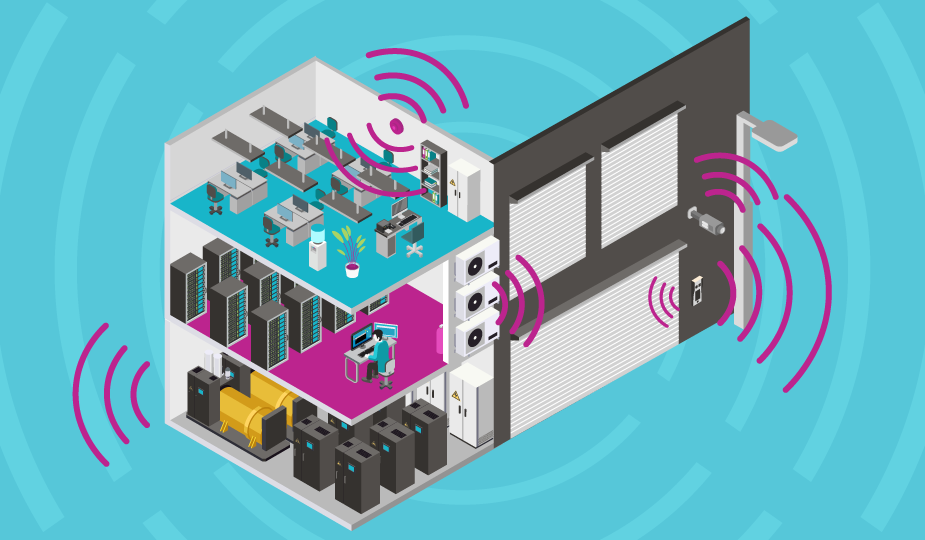
That model is changing. Advances in edge processing, AI, and system connectivity are transforming surveillance into proactive systems that can detect, interpret, and respond to events as they happen. In this shift, audio is playing an increasingly important role. It expands what systems can detect, enables real-time interaction, and helps turn surveillance from passive monitoring into active security. Check out these other blogs in our building safety and security series:
- The Role of Audio in Modern Building Safety and Security Systems
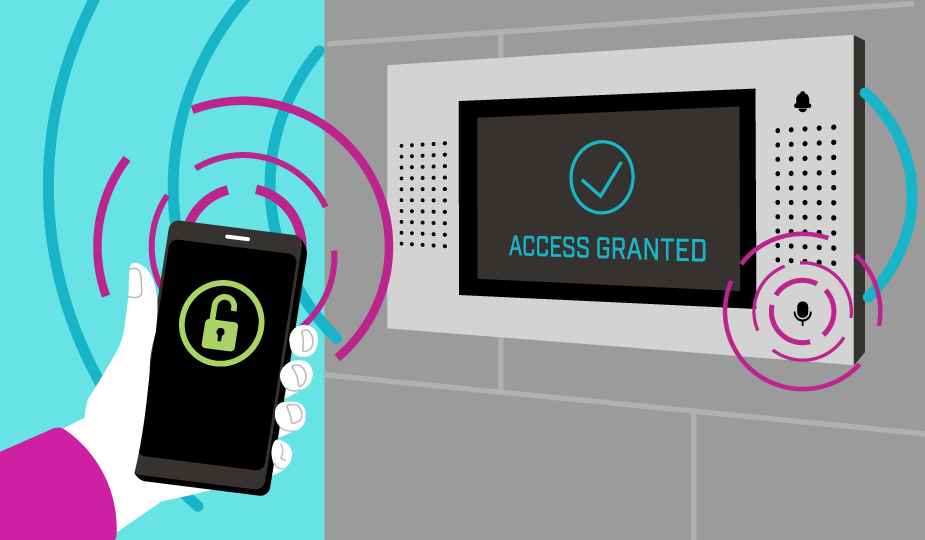
- Audio in Access Control Systems: From Simple Feedback to Intelligent Entry Interfaces
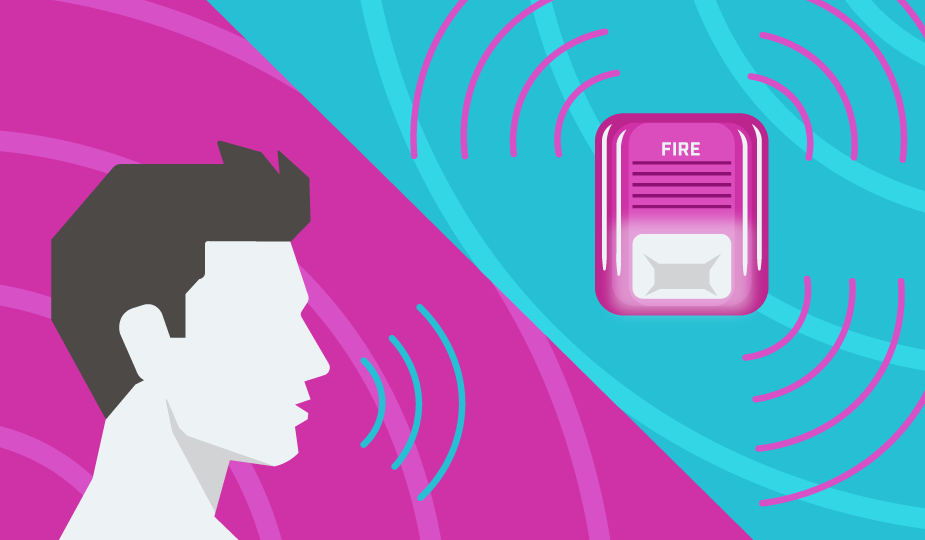
- Audio Design for Fire and Life Safety Systems: Intelligibility, Compliance, and Reliability
From Cameras to Multi-Sensor Systems
Modern surveillance systems are no longer built around cameras alone. Instead, they are evolving into multi-sensor platforms that combine video, audio, and other inputs to create a more complete understanding of a scene. This shift is driven by the growth of edge analytics, which allows data to be processed locally at the device level, and the increasing demand for real-time response rather than post-event analysis.
While video provides valuable visual context, it has inherent limitations. It depends on lighting conditions, field of view, and line of sight. Audio complements these limitations by capturing events that may occur outside the camera’s frame or in low-visibility conditions. By combining these inputs, surveillance systems can move beyond simply recording events and toward actively identifying and responding to them.
Audio for Active Deterrence
One of the most immediate ways audio enhances surveillance systems is through active deterrence. Rather than passively recording unwanted behavior, systems can respond in real time with audible alerts that influence behavior as situations unfold.
Audio output devices, ranging from simple buzzers to full-range speakers, can deliver sirens, pre-recorded voice messages, or even live announcements from remote operators. These responses may be triggered automatically or initiated manually, depending on the application.
This capability is widely used across different environments. In perimeter security, audible warnings can discourage intrusion before escalation. In retail settings, they help reduce theft by signaling that activity is being monitored. In restricted or hazardous areas, they reinforce safety protocols and access limitations.
In many cases, the presence of an audible response is enough to prevent an incident entirely, shifting surveillance from reactive documentation to proactive intervention.
Two-Way Communication in Surveillance Systems
Many modern surveillance systems now incorporate two-way audio, enabling direct interaction between remote operators and individuals on-site. This adds a human layer to automated systems, allowing operators to assess situations and respond immediately.
This functionality is often integrated with video management systems, giving operators synchronized audio and visual context. Whether addressing a trespasser, assisting a visitor, or coordinating with personnel, two-way communication improves both responsiveness and situational awareness.
However, achieving clear communication requires careful attention to system design. Audio performance can be affected by several factors:
- Network latency in distributed systems
- Environmental noise in outdoor or industrial settings
- Acoustic feedback between speakers and microphones
Managing these challenges requires a combination of proper component selection, signal processing techniques, and thoughtful physical integration.
Audio as a Sensor Input
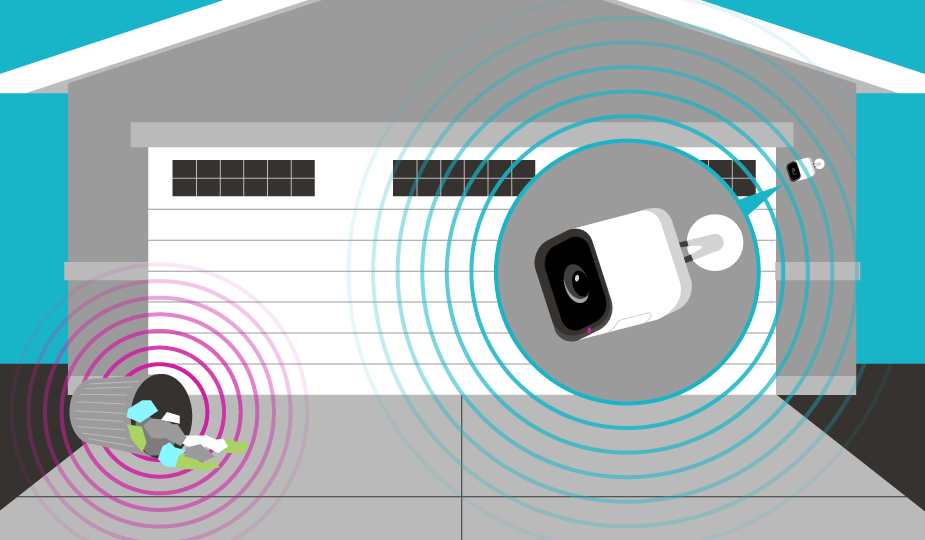
While audio output enables system response, audio input is becoming equally valuable as a sensing mechanism. Microphones allow surveillance systems to detect events based on sound, often faster than visual confirmation alone. Common examples include:
- Glass break detection
- Gunshot detection
- Abnormal sound recognition, such as shouting or impacts
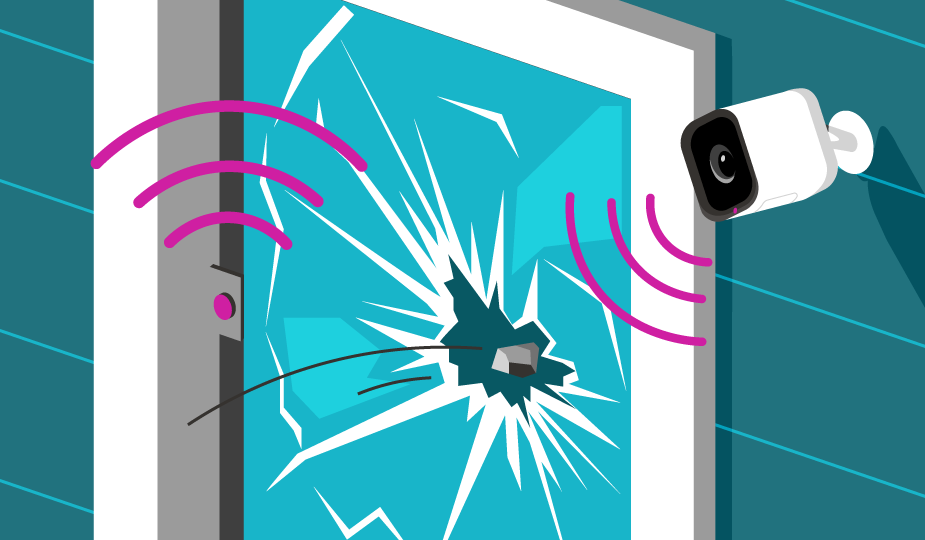
These events can occur outside the camera’s field of view or in conditions where video is less effective. Audio provides an additional layer of awareness that improves both detection speed and overall system coverage.
Advances in AI and edge processing are further expanding these capabilities. Rather than functioning solely as recording devices, surveillance systems can now classify and prioritize acoustic events as part of a broader security workflow. Designers must consider where this processing occurs, how audio and video streams are synchronized, and how to balance responsiveness with bandwidth and system complexity.
Design Challenges in Audio-Enabled Surveillance
Integrating audio into surveillance systems introduces a unique set of challenges, particularly in outdoor and distributed environments where conditions are less controlled. From an acoustic standpoint, environmental factors can significantly impact performance. Designers must account for:
- Wind noise and ambient interference
- Echo and reverberation in reflective spaces
- Placement constraints that affect how sound is captured and projected
These variables make it essential to consider the acoustic environment early in the design process rather than treating audio as an afterthought.
System integration adds another layer of complexity. Cameras, microphones, and speakers are often combined into a single device, requiring careful coordination between components. Microphone placement must align with the intended coverage area, while signal processing is needed to maintain clarity in noisy environments. At the same time, power consumption and thermal constraints must be managed, particularly in edge devices that process data locally.
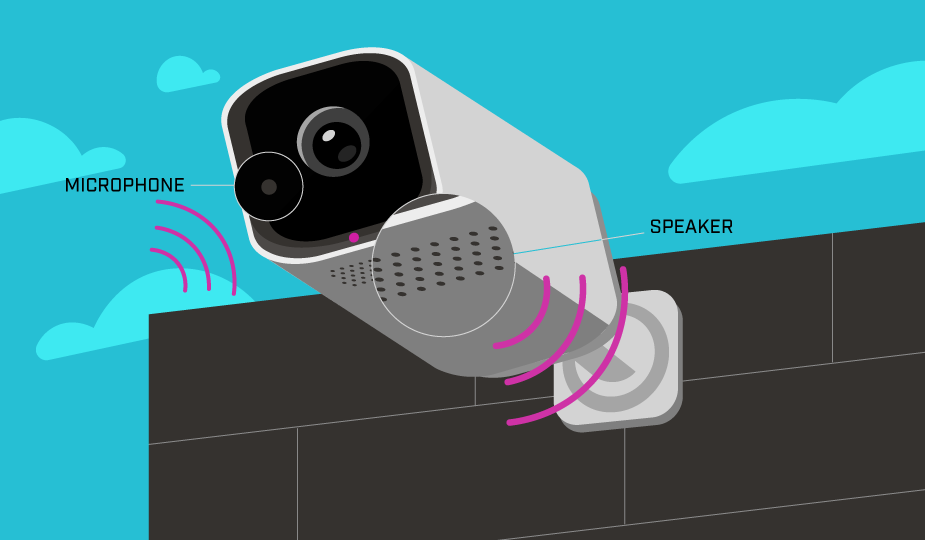
Physical security is also a key consideration. Surveillance devices are frequently installed in exposed or public areas, making them vulnerable to tampering or damage. Protective enclosures and acoustic grilles must be designed to prevent obstruction while still allowing consistent audio performance.
Security and Data Considerations
As audio becomes more integrated into surveillance systems, it introduces additional considerations around data handling and privacy. Unlike simple alert tones, recorded or analyzed audio may include sensitive information, particularly when speech is involved. System designers must account for:
- Secure transmission and encryption of audio data
- Controlled storage and access to recorded content
- Compliance with regional regulations governing audio recording
Balancing these requirements with system functionality is essential, especially in deployments that span multiple regions or industries.
Conclusion
Surveillance systems are evolving from passive monitoring tools into intelligent platforms capable of detecting and responding to events in real time. Audio plays a key role in this transformation. By enabling active deterrence, supporting two-way communication, and acting as a powerful sensor input, audio extends the capabilities of traditional video systems. It adds context, improves responsiveness, and helps create more effective security solutions.
As AI and edge processing continue to advance, the integration of audio will only become more important. Engineers who take a system-level approach to audio design, considering performance, environment, and integration from the outset, will be better positioned to develop the next generation of intelligent surveillance systems.
Same Sky’s portfolio of speakers, microphones, and buzzers supports these evolving requirements, helping designers build surveillance solutions that are not only more aware, but also more responsive.
Key Takeaways
- Surveillance systems are evolving from camera-only setups to multi-sensor platforms that include audio
- Audio enables active deterrence through sirens, voice alerts, and real-time operator interaction
- Two-way communication improves response time and adds a human layer to automated systems
- Microphones act as sensors, enabling detection of events that may not be visible on camera
- AI and edge processing allow audio to be analyzed in real time alongside video data
- Environmental conditions and device placement significantly impact audio performance
- Anti-tampering design and system integration are critical for reliable operation
- Audio data introduces additional considerations around privacy, security, and regulatory compliance
 Tags:
Tags:
Additional Resources