RS-485 Serial Interface Explained
Overview
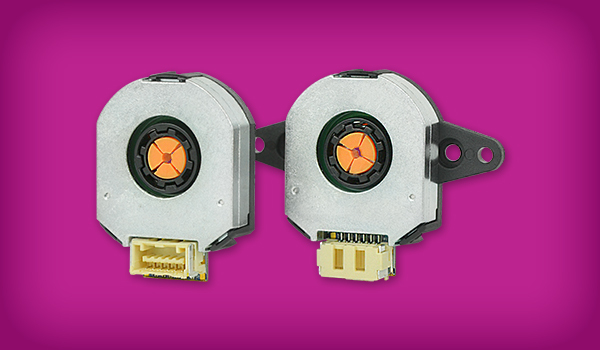
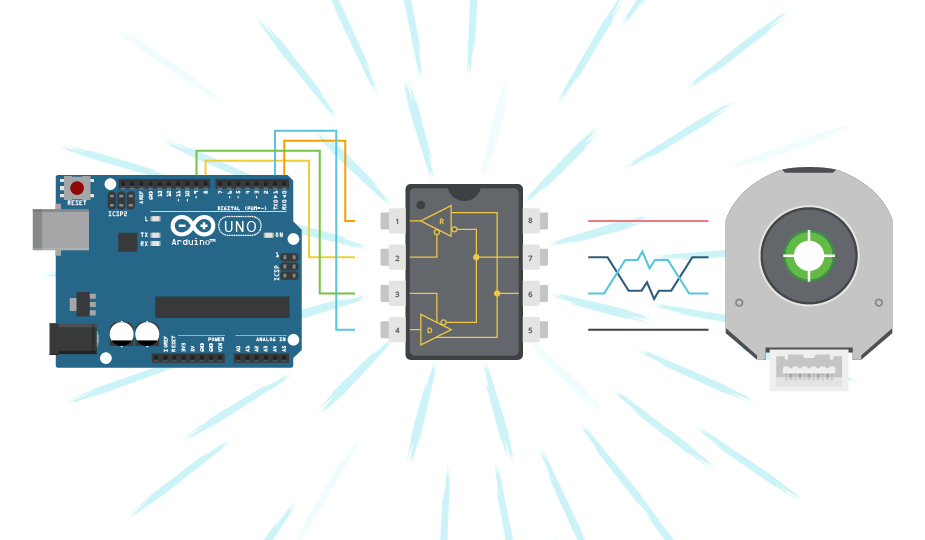
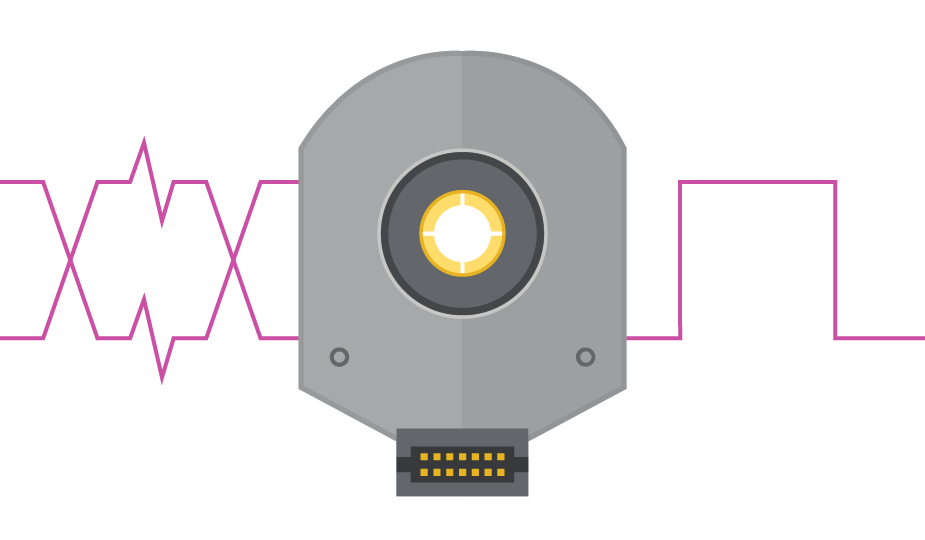
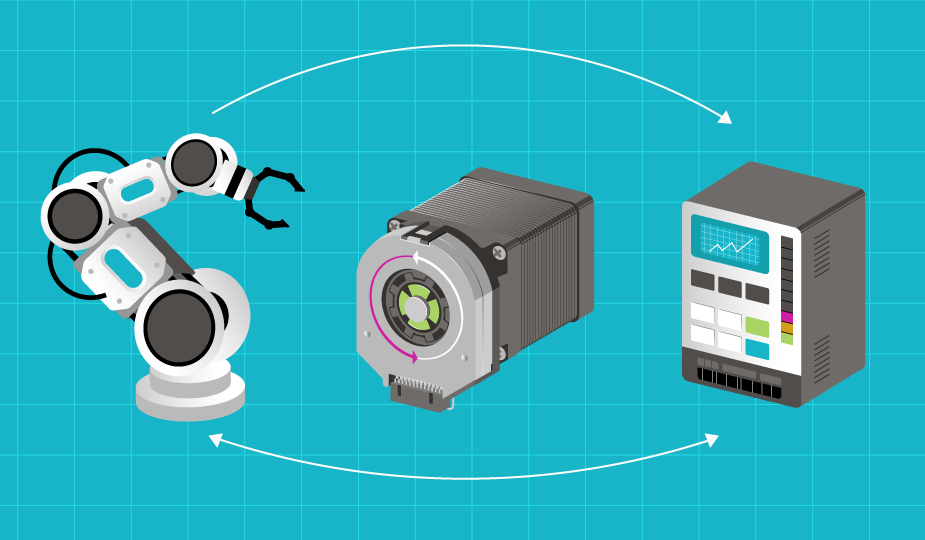
RS-485 helps industrial equipment communicate reliably across long cable runs and electrically noisy environments. In this video, we break down how RS-485 works, explain how differential signaling helps reject electrical noise, and clarify the difference between RS-485 and communication protocols such as Modbus. We also explore key design considerations, including termination resistors, failsafe biasing, and multidrop networks, before explaining why RS-485 is a practical interface for absolute rotary encoders in industrial motion control applications. Search Same Sky's RS-485 absolute encoders.
What you'll learn:
- What RS-485 defines as an electrical interface standard and how it differs from communication protocols such as Modbus
- How differential signaling works and why it helps reject common-mode electrical noise
- The relationship between cable length and data rate in RS-485 communication
- How termination resistors and failsafe biasing help improve communication reliability
- How multidrop networks allow multiple devices to share the same communication lines
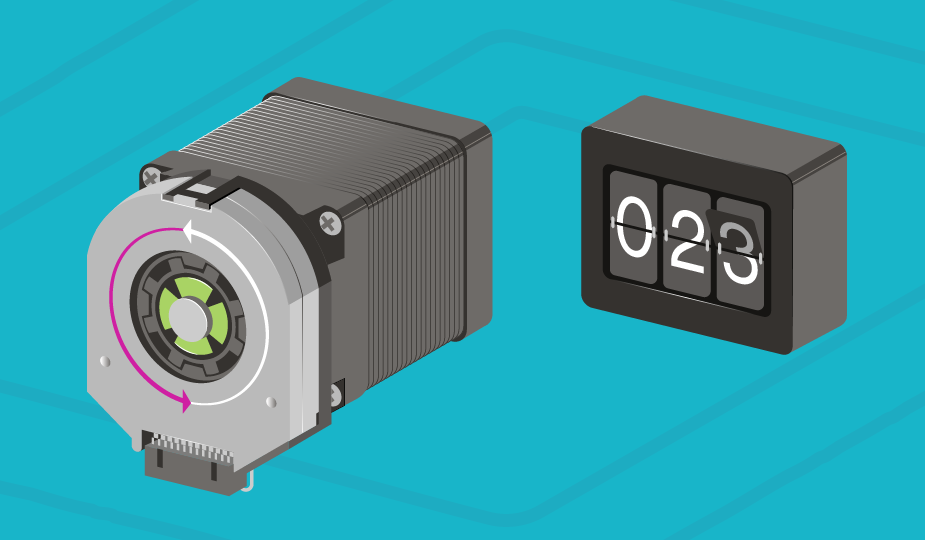
- Why RS-485 is used with absolute rotary encoders in industrial equipment and motion control systems
- Why two devices that use RS-485 are not automatically compatible with one another