Relays Explained: Signal vs. Power and Latching vs. Non-Latching
Overview
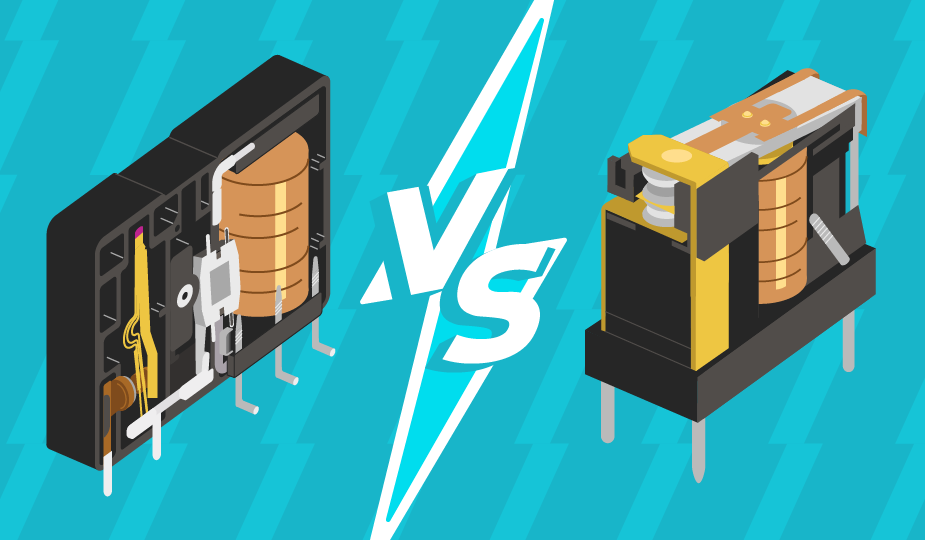
Relays are one of the most fundamental switching components in electronics, enabling reliable control of low- and high-power circuits across industrial, automotive, and consumer applications. In this video, we break down how relays work, explore the differences between signal relays and power relays, and explain when to use latching vs non-latching designs. We also walk through a live demo showing the internal movement of a relay in action, helping visualize how electrical signals translate into mechanical switching.
What you'll learn:
- How relays work, including coil, armature, spring, and contact operation
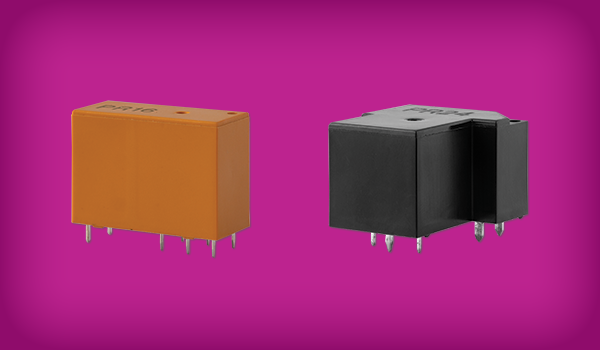
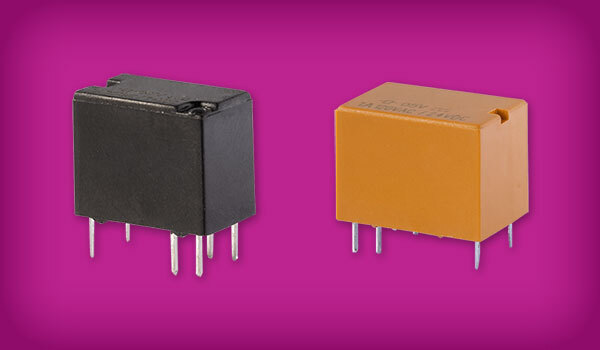
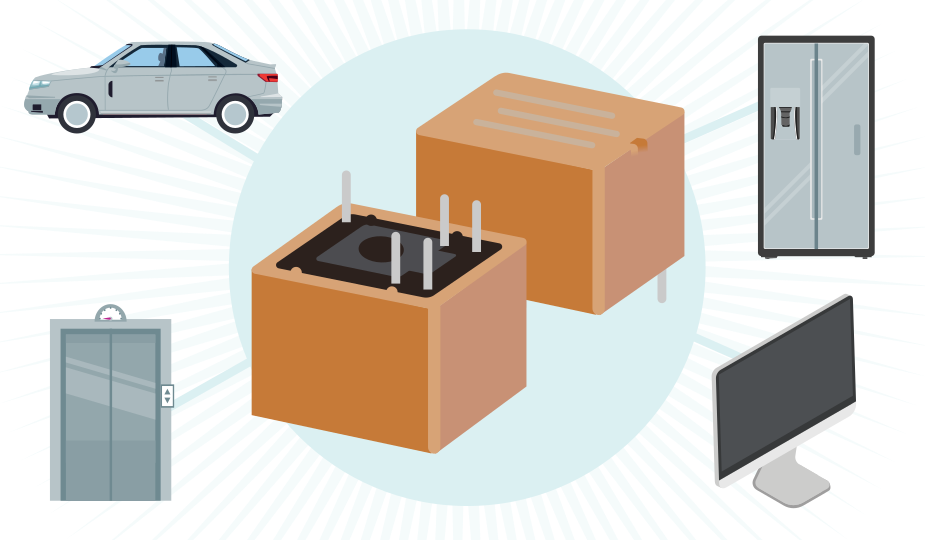
- Key differences between signal relays and power relays, including where each is used
- How non-latching (monostable) relays operate and why they’re ideal for fail-safe designs
- How latching (bistable) relays reduce power consumption and retain state during power loss
- Important relay characteristics like operate time, release time, and contact bounce
- Practical design considerations including flyback diodes, inrush current, and contact protection
- How to select the right relay based on voltage, load type, environment, and system requirements